
Why it matters
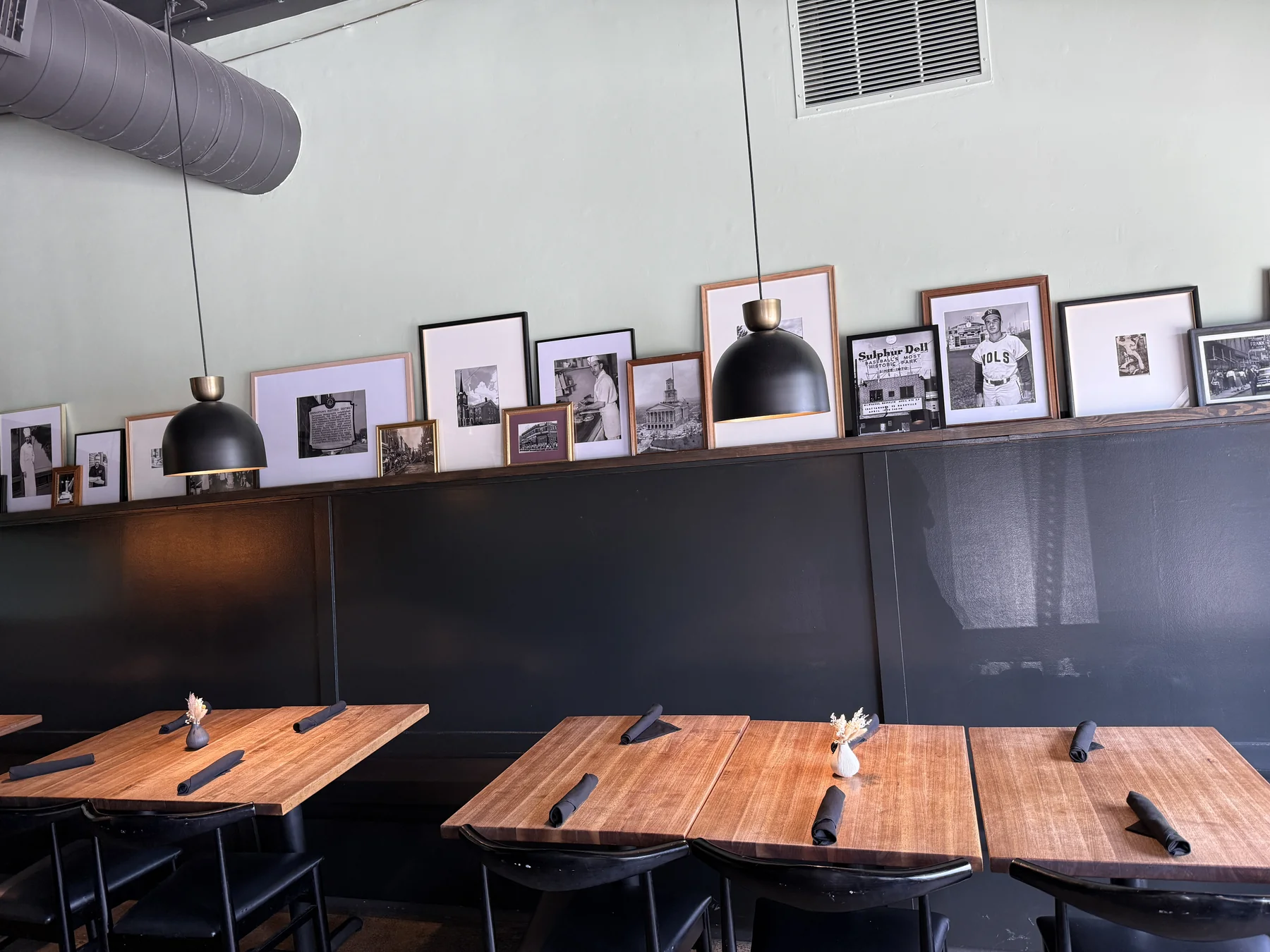
The spaces we create tell people what we value before anyone says a word. A clean table, warm light, thoughtful art, comfortable seating and a wall filled with local images all send the same message: this place has been cared for, and the people who walk through it matter.
Upgrading a space is not only about making it look newer. It is about making it feel more intentional. When a room reflects the neighborhood around it, guests and teammates can sense that the restaurant belongs to a larger story, not just a business transaction.
Our purpose
We build community for our neighbors, growth for our teammates and a vision of success for our industry.
Spaces carry stories
Every shared space has a voice. Some spaces feel temporary, cluttered or disconnected. Others feel rooted. The difference often comes from small but deliberate decisions: what hangs on the walls, how the room is lit, whether the furniture invites people to stay and whether the details reflect the people who actually gather there.
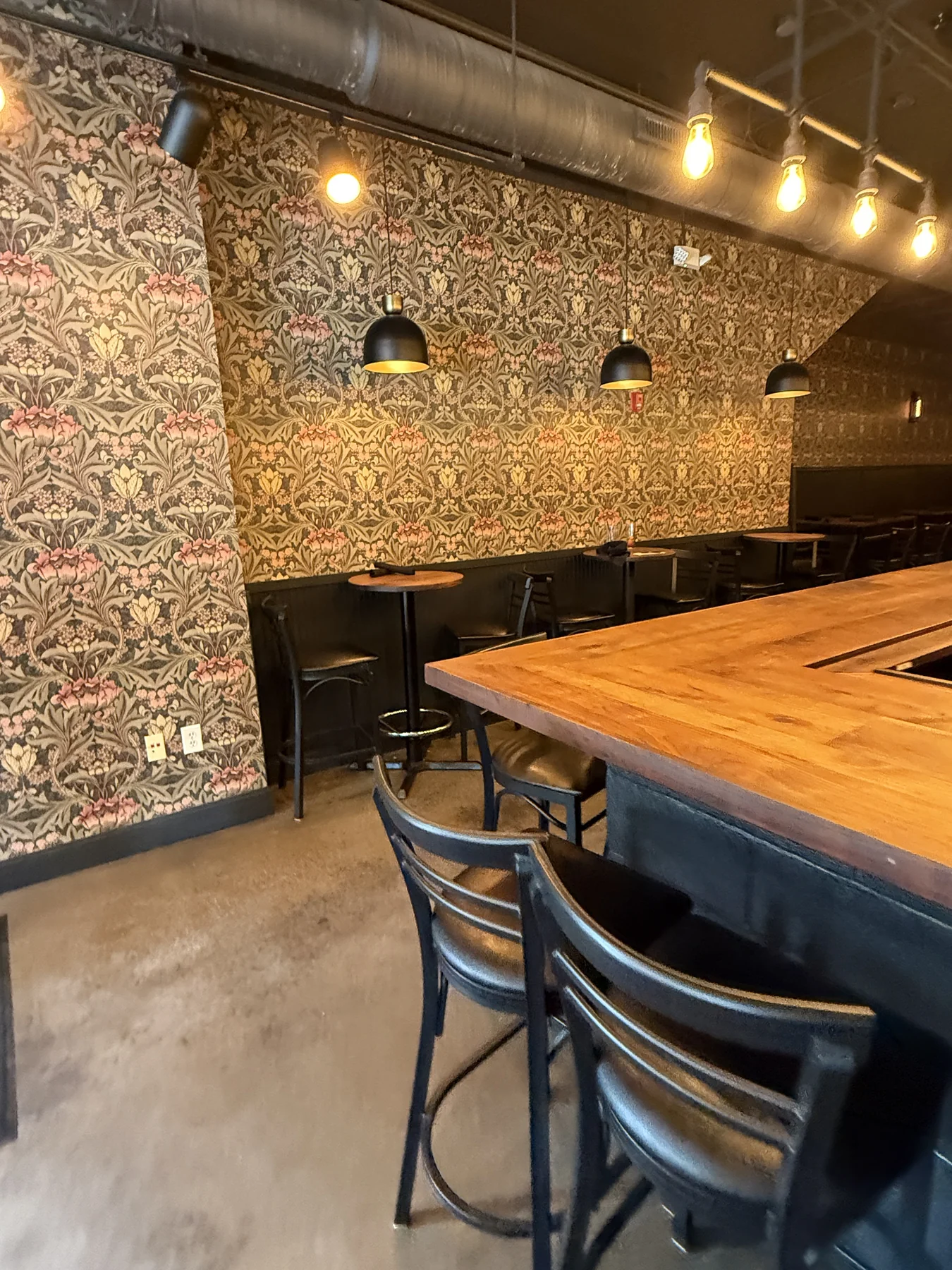
When we invest in the room, we invest in the experience. Teammates work with more pride in spaces that feel sharp, organized and safe. Guests relax more easily in spaces that feel warm and considered. Community members are more likely to return when they feel the restaurant understands where it is and who it serves.
Values in action
We are creative, sharp, organized and safe. We over deliver on value. We are storytellers.
Why community photos matter
Photographs are one of the clearest ways to make a space feel connected. A historic building, a neighborhood landmark, a baseball player, a church steeple, an old street scene or a familiar family moment can stop someone in their tracks. It gives them something to recognize, ask about or remember.
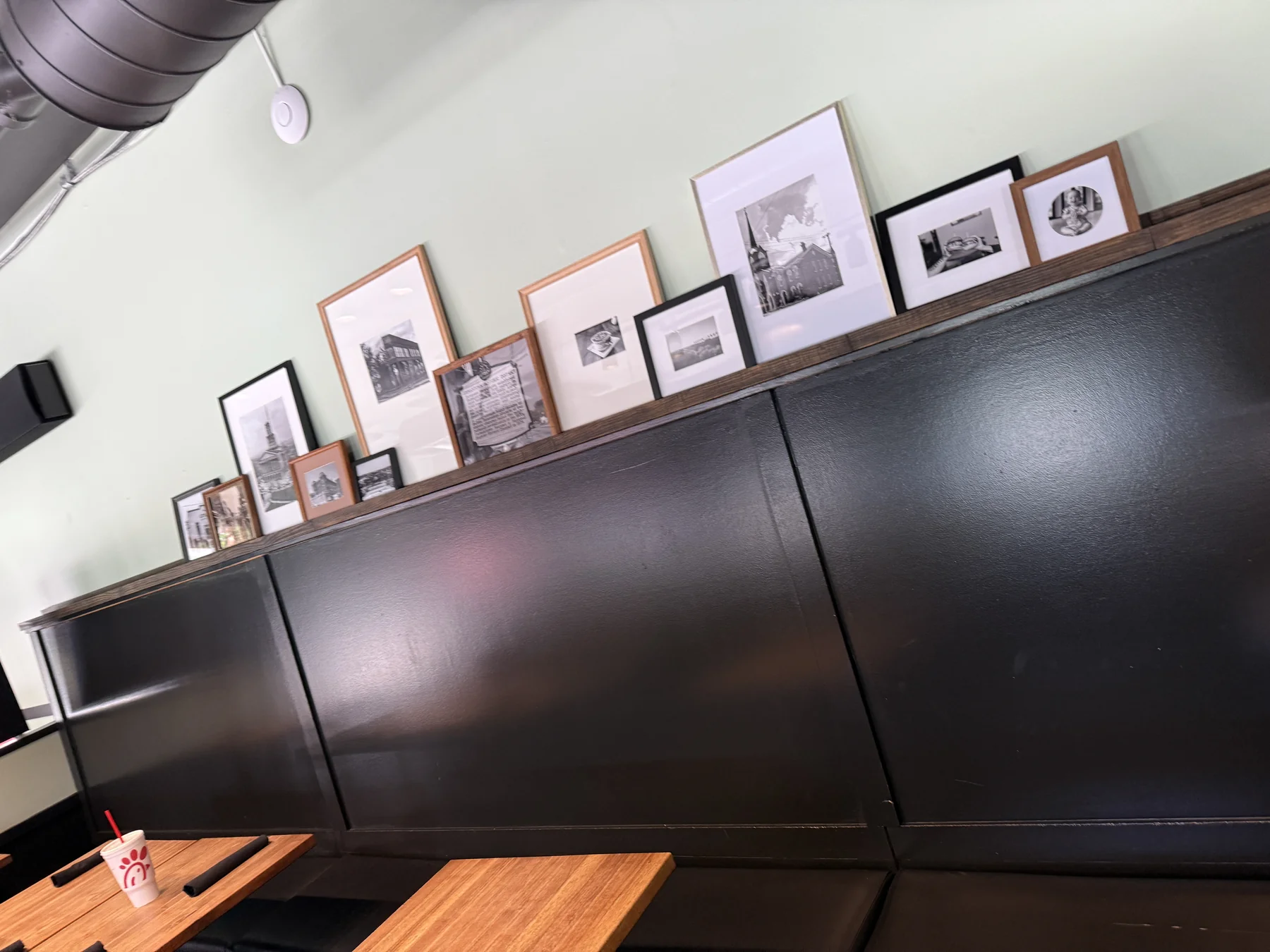
Showcasing pictures from our community helps turn a restaurant into a shared place. The photos become conversation starters. They help longtime neighbors feel recognized and help new guests learn where they are. They also teach our teams to see the room as more than a workplace. It is a gathering place with a past, a present and a future.
- They honor the people, buildings and moments that shaped the neighborhood.
- They create natural conversation between guests and teammates.
- They make the space feel specific instead of generic.
- They remind our teams that hospitality includes preserving and sharing local stories.
- They help guests feel like they are entering a community, not just a dining room.
Upgrades build pride
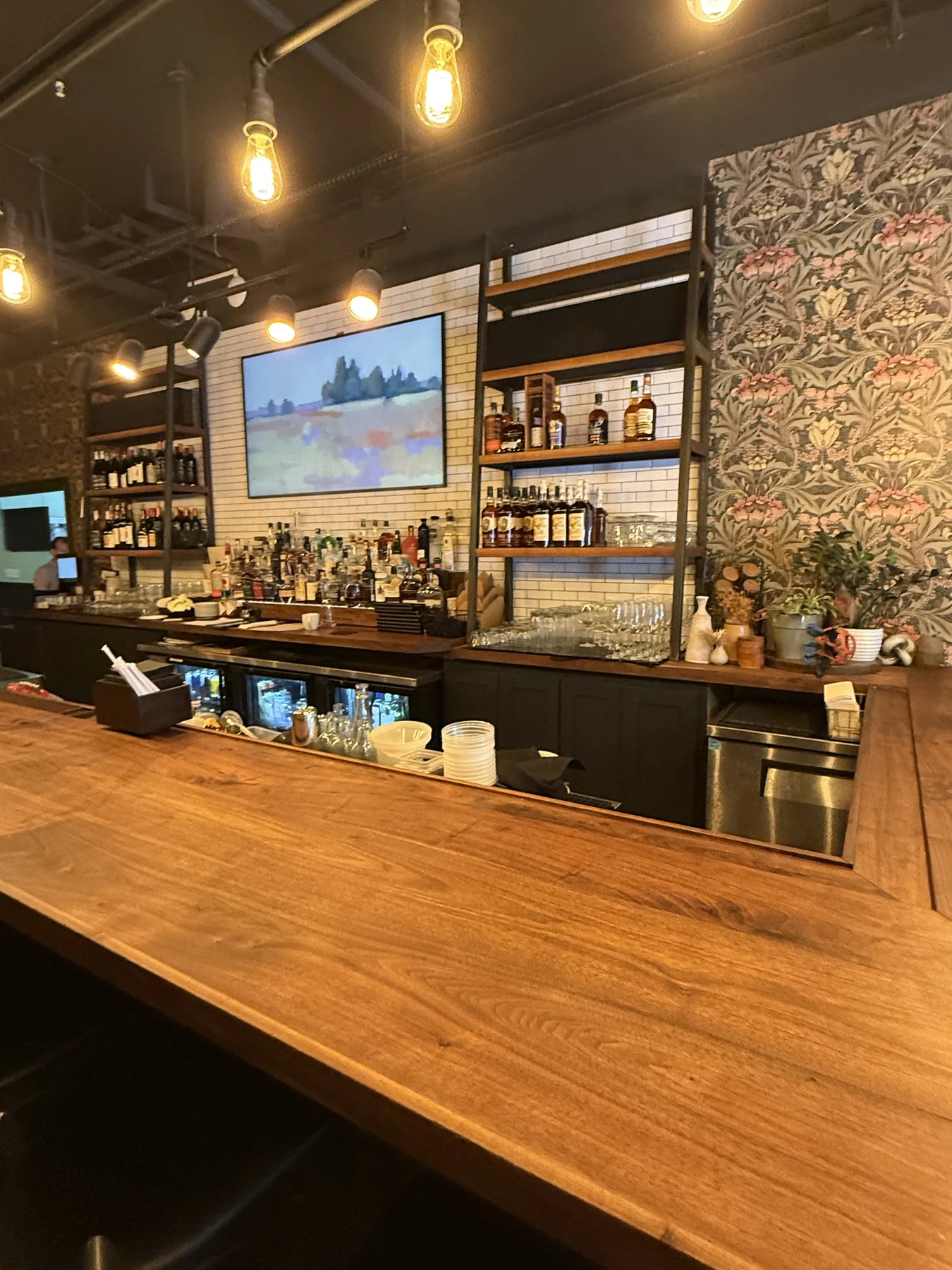
Physical improvements can change how people behave in a space. When a room feels finished, people tend to treat it with more care. When the art feels meaningful, people are more likely to notice it. When the furniture is comfortable and the lighting is warm, people stay longer, talk more and feel more connected.
That pride matters for teammates too. A well-kept, story-rich space can help teams feel that their work is part of something larger. It supports better hospitality because the environment itself is already welcoming people in.
Building community on purpose
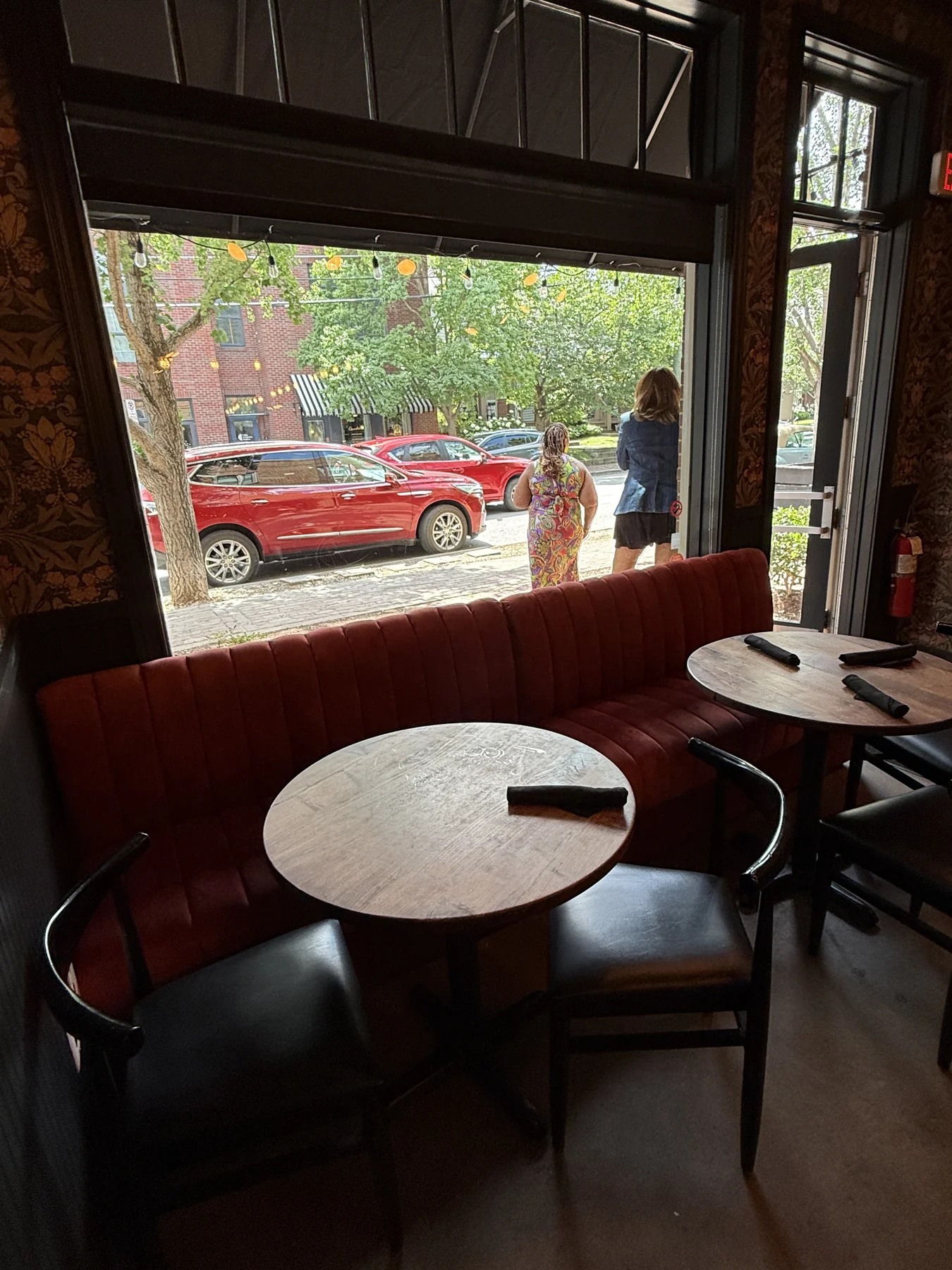
Community is built through repeated signals of care. It is built when people are greeted well, when the room is clean, when the details feel thoughtful and when the walls show that the neighborhood has a story worth preserving.
As we upgrade our spaces, we should keep asking a simple question: what story does this room tell? If the answer reflects our neighbors, our teammates and our values, then the space becomes more than beautiful. It becomes useful. It helps people feel connected.
The goal
Turn walls into stories, rooms into gathering places and shared spaces into a visible expression of who we are together.